
Tired of endless Marlborough Sauvignon? Bored with Chablis? Can't find anything different on a restaurant wine list, or something that offers genuine excitement on a supermarket shelf? It's easy for tastes to stagnate with so many "me too" wines on the market. Bottles which are just about "OK", but are less than memorable!
It can happen with any style of wine, at pretty much any price level, where what was once a fresh, vibrant new-found offering has become a mainstream plodder. A corporate brand, not the exciting, talked about and adventurous bottle it once used to be. Have you ever noticed how the quality of your favourite bottle can decrease over following vintages? Demand soars, and producers can't keep up with the volumes needed by consumers, so something has to give. It's invariably the flavour which disappears before your glass is even half empty.
So, what can you do? Going to a real wine merchant would be my number one suggestion. Honestly, there's no bias here because an independent company is free to pick and chose any wine they wish to stock. Vineyards are visited (given the chance, we'll hop on a flight to just about anywhere making decent wine), bottles are actually tasted first, usually by several enthusiastic imbibers, and then a decision is made to list, or not, based on quality/value and the market the merchant is serving. Hopefully, you'll try Frazier Jones as your source for all things "wine". Once discovered, you'll never go back to your old haunts.
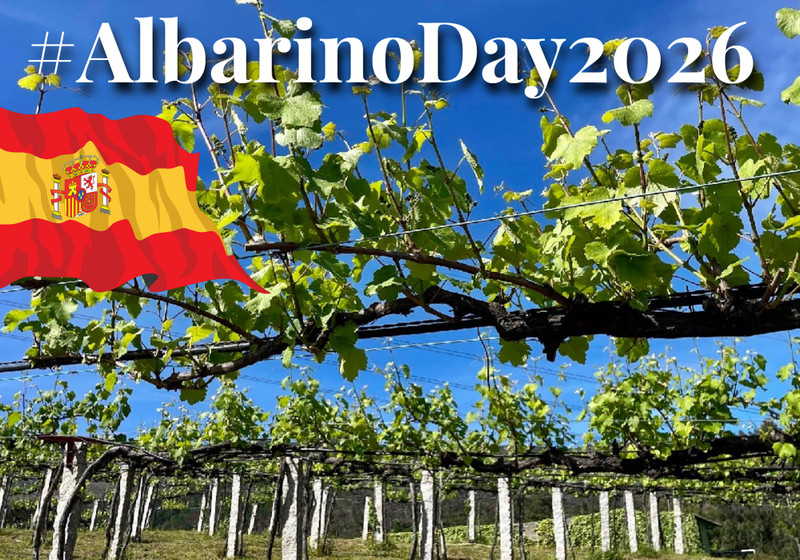
With August just arriving, it's looking like the weather is going to remain hot and dry, so chilled whites are an ongoing essential for those of us who love a glass of vino. It would seem appropriate to suggest trying some really dry, peachy/lime citrus/mineral combination of loveliness known as ALBARINO.
Coincidentally, it happens to be #AlbarinoDay2026 this Saturday, 1st August, so let's see what's you should be tasting. It could be Spanish, Portuguese, Uruguayan or New Zealand's finest. We're fans of them all, so throughout August let's celebrate with 10% off the range.
Albariño and Alvarinho: The Atlantic Grape's Global Renaissance
Among the world's great white wine varieties, few have experienced such a remarkable transformation over the past four decades as Albariño (known as Alvarinho in Portugal). Once regarded as a relatively obscure regional grape confined to Spain's northwestern corner and Portugal's Minho region, it has become one of the most respected aromatic white varieties in the world. Today, it is planted on five continents and has demonstrated an extraordinary ability to express terroir while retaining its unmistakable identity: vibrant acidity, aromatic precision, saline minerality, and remarkable compatibility with seafood.
Yet despite its international success, the spiritual home of the grape remains Rías Baixas DO in Galicia, Spain. It is here, under the influence of the cool Atlantic Ocean, abundant rainfall, ancient granitic soils, and centuries of viticultural experience, that Albariño reaches its greatest complexity and serves as the benchmark against which all other examples are judged.
Galicia: Spain's Atlantic Corner
Galicia occupies Spain's northwestern corner, bordering Portugal to the south and the Atlantic Ocean to the west and north. It is climatically unlike almost anywhere else in Spain. Rather than the hot, dry Mediterranean climate associated with Rioja or Priorat, Galicia is lush, green, humid, and cool.
The defining geographical feature is the series of drowned river valleys known as the Rías, where the sea penetrates deep inland. These estuarine inlets moderate temperatures throughout the year, producing mild winters, cool summers, persistent ocean breezes, and exceptionally high humidity. Annual rainfall frequently exceeds 1,500–2,000 mm, making Galicia one of Europe's wettest wine regions. Disease pressure is consequently high, requiring meticulous vineyard management and making sustainable viticulture particularly challenging.
The Atlantic exerts overwhelming influence over the Galician viticulture & vinification giving moderate temperatures, slow ripening, preservation of acidity, extended growing season, distinctive saline character, frequent morning mists, and cooling sea breezes. Unlike continental climates where grapes accumulate sugar rapidly, Albariño in Galicia ripens slowly while retaining naturally high acidity.
Rías Baixas DO Established in 1988, Rías Baixas Denominación de Origen encompasses five subzones:
Val do Salnés, O Rosal, Condado do Tea, Soutomaior, and Ribeira do Ulla. Although all produce Albariño, their wines differ subtly.
Val do Salnés, often regarded as the historical heartland, has characteristics including the coolest climate, closest Atlantic influence, granite soils, highest rainfall, strongest saline minerality. Many of the region's greatest producers are located here.
O Rosal, situated near Portugal, features warmer temperatures, slightly lower rainfall, more mixed soils, wine blends are historically common. Produces wines with slightly richer fruit.
Condado do Tea, further inland. Characteristics include warmer days, cooler nights, greater diurnal variation. Fruit tends toward peach and tropical notes while retaining acidity.
Ribeira do Ulla, Northern and cooler area. Produces elegant wines with citrus-driven profiles.
Soutomaior, the smallest subzone often producing concentrated, aromatic Albariño.
One reason Albariño performs so well is the diversity of Galicia's ancient soils. Granite, which contributes excellent drainage, low fertility, mineral precision, citrus purity, tension and longevity. Many of the finest wines from Val do Salnés originate from decomposed granite ("xabre"). Sand, which often overlays granite, has benefits including rapid drainage, reduced vine vigour, and protection from phylloxera historically. Schist, more common inland, produces broader wines, riper fruit, and increased texture.
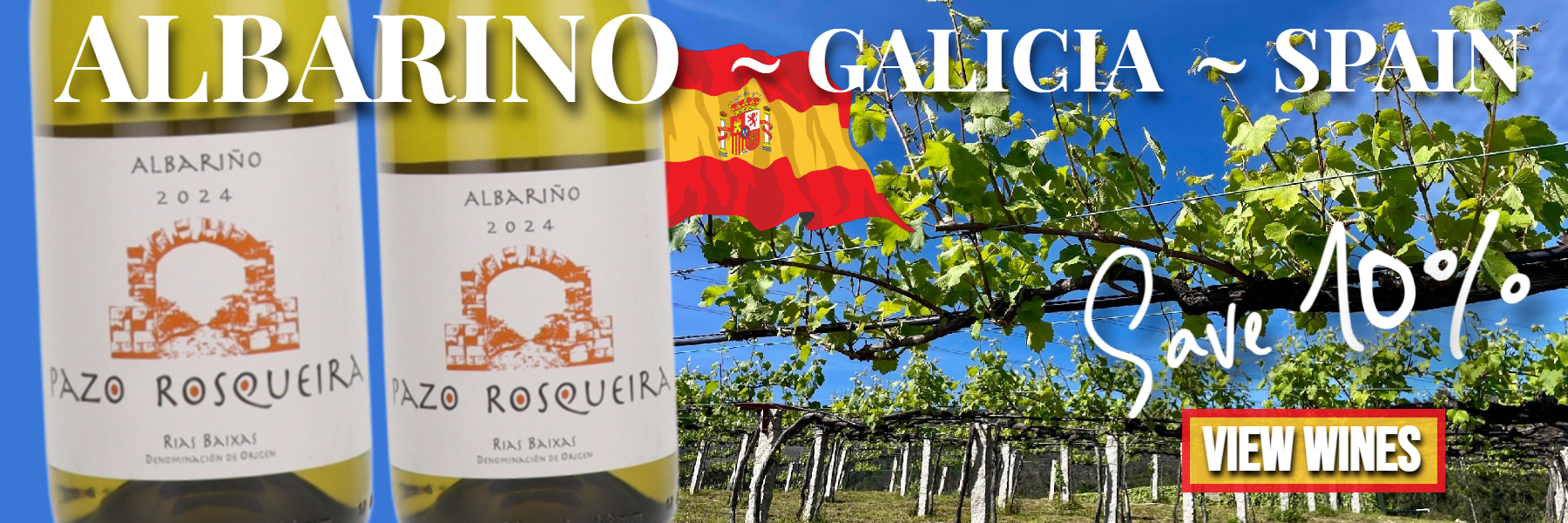
Viticulture: The humid climate presents enormous viticultural challenges. Primary threats include downy mildew, powdery mildew, botrytis, and fungal diseases. Consequently, canopy management is critical. The most iconic feature of Galician vineyards is the parra, or granite pergola system. Vines are trained approximately two metres above the ground. Advantages of this vine growing method include increased airflow, reduced fungal disease, easier vineyard access, improved fruit exposure, better drying after rain.
The image of bunches of Albariño grapes hanging beneath granite pergolas is synonymous with Rías Baixas. Modern vineyards increasingly employ vertical shoot positioning where appropriate, but pergolas remain widespread.
The grape harvest generally occurs during September. Picking decisions focus less on achieving high sugar than on balancing acidity, aromatic development, and phenolic ripeness. Many premium estates hand harvest exclusively.
Vinification: Albariño is generally vinified with remarkable restraint. The typical approach is: Whole-cluster pressing, Cold settling, Temperature-controlled fermentation, Stainless steel maturation, Minimal oak, Early bottling.
The objective is preserving freshness rather than creating overt winemaking character. Increasingly, top producers employ a combination of lees ageing, bâtonnage (lees stirring), concrete eggs for fermentation, large neutral oak and amphora, extended maturation. These techniques add texture while maintaining varietal purity.
Albarino: Flavour Profile
Young Albariño typically displays extraordinary aromatic intensity with primary fruit aromas featuring lime, lemon zest, grapefruit, green apple, white peach, nectarine, apricot, pear and melon. There are also floral notes of orange blossom, honeysuckle and white flowers along with herbal notes of fennel, bay leaf and mint. Atlantic signatures add sea spray, oyster shell, wet granite and a saline minerality.
Lees-aged examples develop brioche, almond, cream, hazelnut and beeswax. With bottle age (10–20 years for the finest wines) flavours develop to include honey, lanolin, preserved citrus, chamomile and dried herbs.
The finest examples of traditional Galician Albarino combine high acidity, moderate alcohol, concentrated fruit, minerality, texture, and a long finish. Few aromatic white grapes possess this balance and complexity.
Wine: Food Pairing
Albariño is among the world's greatest gastronomic wines. Its classic partner is shellfish with outstanding matches including the likes of oysters, mussels, clams, scallops, cockles, razor clams, crab, and lobster. Galicia's shellfish industry and Albariño wines evolved together, side by side. A wide variety of fish are an excellent match. Try cod, turbot, hake, sole, sea bass, snapper, or salmon. Perhaps surprisingly, Albariño excels with Japanese cuisine such as sushi, sashimi, tempura, grilled eel, and miso-marinated fish. The acidity complements soy while saline notes echo seafood. Albarino also suits Thai cuisine. It works well where Riesling might seem too sweet. It's excellent with lemongrass, lime, coriander, and seafood curries. An ideal pairing with Chinese dishes notably steamed fish, ginger, scallops, and Cantonese seafood. For local Spanish/Mediterranean cuisine Albarino is recommended with grilled octopus, paella, garlic prawns, squid, and anchovies. Many cheeses pair beautifully with Albarino wines. Try some with a young goat cheese, Manchego fresco, or fresh sheep's milk cheeses.
Spain: Benchmark Producers
There are many excellent Albarino wines produced these days, so this is not an exhaustive list of available bottles. Some are in the UK, but, for others, you might need to go direct to the producer.
Bodegas Viña Nora is located in the Condado do Tea sub-region. It typically produces a slightly riper interpretation of Albarino. Aroma and flavour characteristics include peach, nectarine, tropical hints, a rounded palate and a polished texture. Compared with Salnés wines, Viña Nora often appears broader and more approachable in youth.
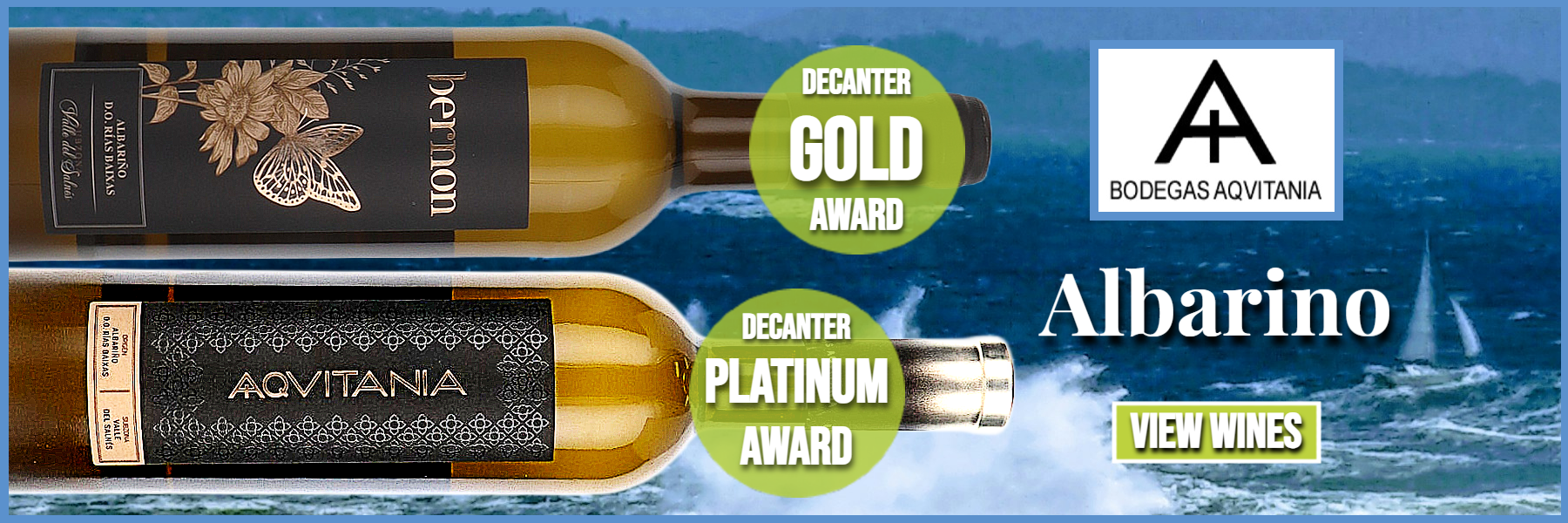
Bodega Aquitania Founded with significant French influence, Aquitania emphasises precision. Its award-winning Albariño wines generally show citrus purity, floral lift, granite minerality and an elegant acidity. These wines often reward short-term cellaring.
Bodegas Pinord – Pazo Rosqueira Pinord's "Pazo Rosqueira" demonstrates a modern style emphasising fruit purity. Typical profile of white peach, citrus, fresh herbs, clean mineral finish. Balanced and approachable, representing excellent contemporary Rías Baixas winemaking. Best UK price from Frazier Jones!
Forjas del Salnés – Leirana Among Spain's most admired Albariño producers. A personal favourite of mine, their entry level "Leirana" represents the terroir-driven movement and, for me, it has the "wow" factor, beating many more expensive wines by a country mile. Personally, I think it tastes better than their more "deluxe" bottlings, but be warned, even this cuvée is NOT cheap! Characteristic notes include a profound minerality, saline precision, restrained fruit, remarkable structure, and exceptional ageing potential. Fermentation with indigenous yeasts, lees work, and careful vineyard selection create wines of Burgundian complexity while remaining unmistakably Albariño. Many critics consider Leirana among the world's greatest expressions of the grape.
Portuguese Interpretation: Alvarinho
Although genetically identical, Portuguese Alvarinho often differs stylistically due to climate, site selection, and winemaking.
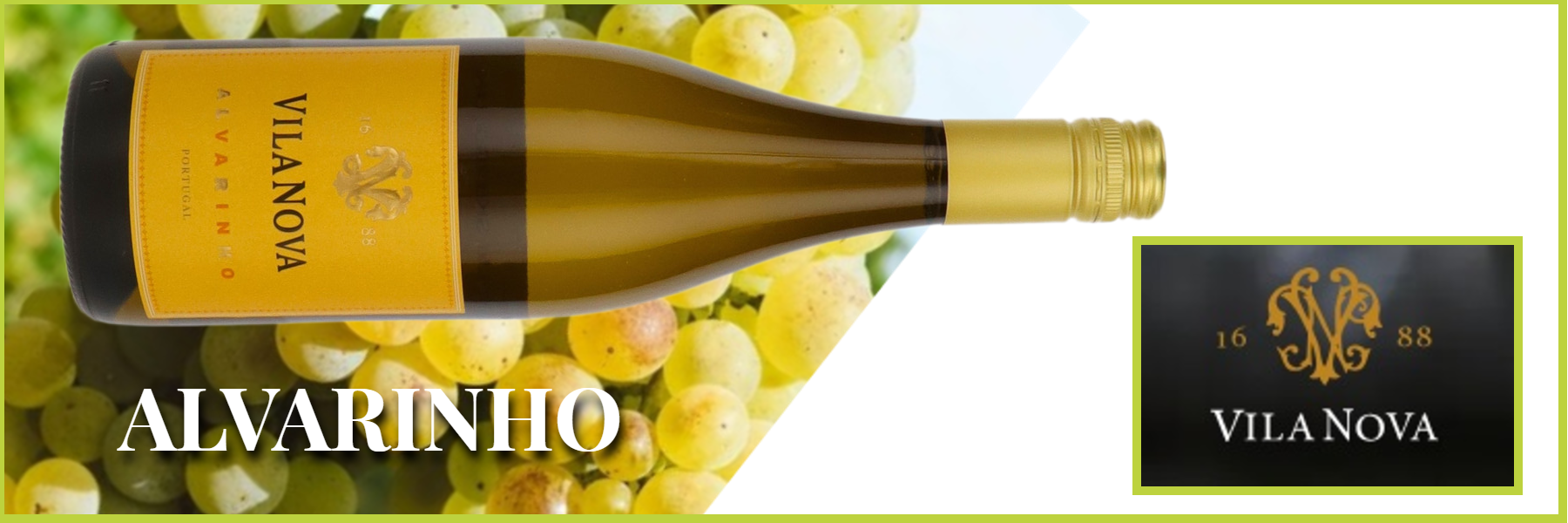
Via Nova Typically produces fresh, youthful wines. Characteristic citrus and green apple fruit, lively acidity. An excellent everyday example.
Anselmo Mendes Arguably Portugal's most influential Alvarinho producer. Mendes has explored skin contact, barrel fermentation, extended lees ageing, single vineyard cuvées, long maturation. His wines demonstrate that Alvarinho possesses remarkable complexity and longevity. Compared with many Spanish examples, top Mendes wines exhibit greater texture and broader mouthfeel while maintaining freshness.
Soalheiro One of Portugal's iconic estates. Stylish wines featuring crystalline fruit, citrus blossom, granite minerality, vibrant acidity, and exceptional balance. Soalheiro consistently produces some of Portugal's finest white wines and rivals elite Spanish producers.
South Africa: Cool Maritime
Becoming more widely planted in SA, the extreme southerly ocean climate moderates the temperature in the vineyards allowing the wines to retain their acidity.
Botanica "Flower Girl" An expressive and aromatic Stellenbosch wine exhibiting a typical profile of lime, white peach, jasmine and a saline finish. Fruit tends to be slightly riper than in Galicia while retaining freshness.
Newton Johnson This Upper Hemel-en-Aarde Valley estate is known primarily for its refined Pinot Noir and Chardonnay, The Albariño is equally restrained and elegant. It's absolutely adored by the critics! Characteristic notes include citrus, mineral precision, restrained alcohol, Atlantic freshness. It demonstrates how well Walker Bay suits the variety.
New Zealand: "Kiwi" Green
Surrounded by water, the country's maritime climate naturally complements the planting of Albariño vines.
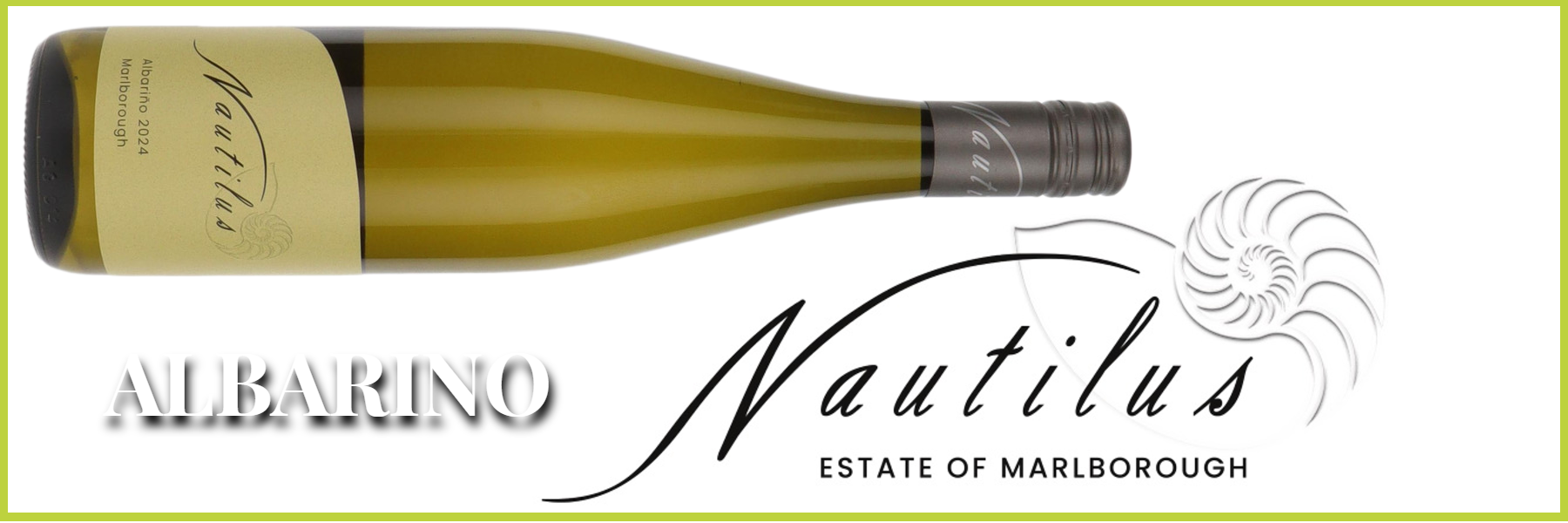
Nautilus Estate A single vineyard wine from Marlborough, South Island. Produces a vibrant wine featuring grapefruit, lime sherbet, honeydew melon, white flowers, with crisp acidity. The Marlborough influence contributes exceptional aromatic intensity.
Yealands From the Awatere Valley on the east coast of the South Island. Typically slightly richer wine showing white peach, green pears, lemon citrus, sea spray saline notes, and a refreshing finish.
These wines combine New Zealand fruit expression with European restraint.
Australia: Vineyards "Down Under"
Warm climates require careful site selection. Albariño and the Hunter Valley were made for each other!
Margan Hunter Valley. Known for their excellent sweet and dry Semillon wines, Margan also produces balanced Albarino displaying stone fruit, citrus, moderate body, fresh acidity.
Briar Ridge Hunter Valley. Often among Australia's strongest examples, Briar Ridge Albarino exhibits nectarine, tangerine peel, lime, savoury beeswax, mineral backbone, restrained alcohol
Australia increasingly recognises Albariño as better suited than some traditional aromatic whites for warmer conditions.
Uruguay: Alternative Galicia
Uruguay's Atlantic coastline provides ideal conditions similar to those of its European home vineyards.
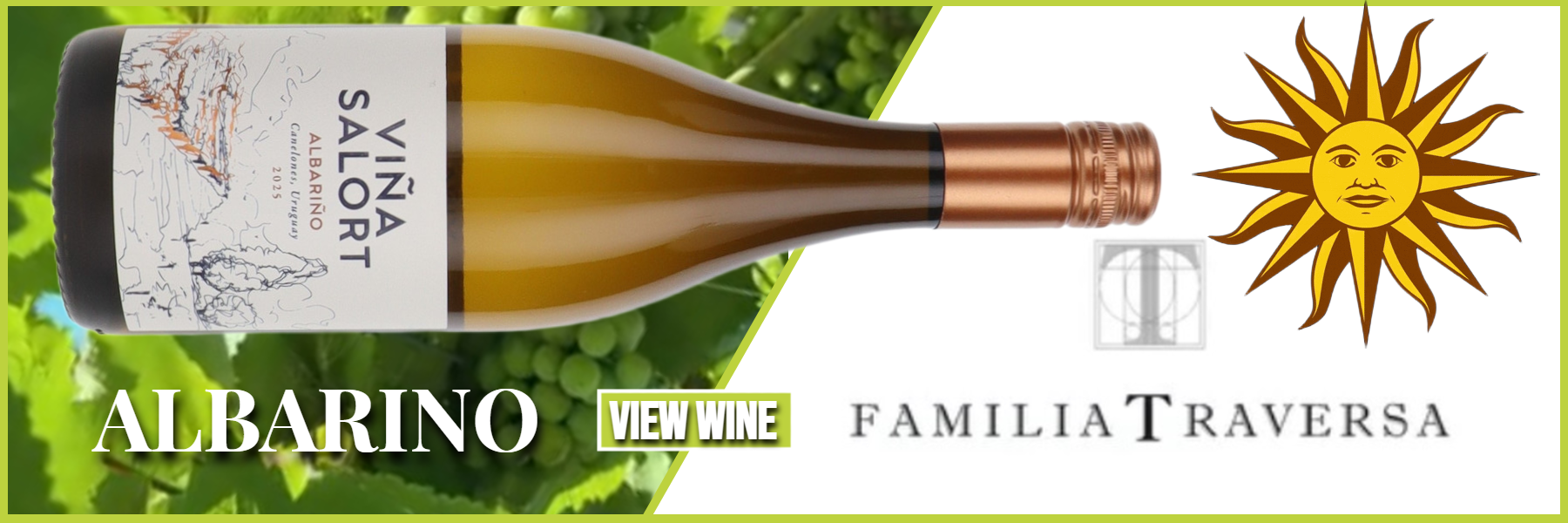
Familia Traversa – Viña Salort Produces bright, fruit-forward wines. Stylistically, you'll find floral aromatics, citrus and peach fruit, and a refreshing finish.
Bodega Garzón Perhaps Uruguay's leading Albariño grower offering several single vineyard selections. Granitic soils and Atlantic breezes produce wines with impressive minerality, grapefruit, white flowers, and a saline tension. Garzón's Albariño has become internationally recognised as one of the finest outside Europe.
Bodega Bouza Produces richer examples using the Albarino variety showing notes of ripe peach, citrus, a subtle texture, and balanced acidity.
United States: West Coast Wonders
Albariño has adapted particularly well to cool Pacific regions including California, Oregon and Washington.
Marimar Torres From California's Russian River Valley, this elegant style features citrus blossom and pear, backed up with minerality and a balanced acidity. Reflects both Californian fruit and Galician inspiration.
Abacela One of America's pioneers from Southern Oregon. Their Albarino displays typical grapefruit, peach, fresh herbs, and a crisp structure. The cool nights preserve excellent acidity.
Elsom Cellars Washington State. Produces expressive wines with tropical hints, citrus fruit, a floral lift, and a lively finish.
Chile: Beyond The Limits
Montes "Outer Limits" Zapallar Coast Characteristics ot this noteworthy Chilean Albarino include a strongly floral aroma, notes of lime and grapefruit, a creamy texture, subtle herbal complexity, sea-shell saline minerality, and excellent acidity. The coastal Aconcagua Valley vineyards near the Pacific, where the Humboldt Current provides an ideal cooling influence, produce one of South America's finest examples of highly acclaimed New World Albarino.
Argentina: Rocky Mountain High
Zuccardi Polígonos San Pablo Albariño Perhaps the most intriguing New World interpretation, this high-altitude Uco Valley vineyard makes a wine with remarkable acidity, citrus precision, floral aromatics, and chalky minerality. The combination of altitude and limestone creates a style that is surprisingly reminiscent of cooler European examples despite Mendoza's sunny climate.
Sparkling Albariño: If Bubbles Delight
Although still a niche category, sparkling Albariño possesses considerable promise. The grape naturally provides wines with high acidity, moderate alcohol, delicate aromatics, mineral precision. These characteristics are ideal for traditional-method sparkling wine. Most sparkling examples are produced in either Rías Baixas (Spain), Portugal, increasingly in Australia (including "Pet-Nat"), and small quantities elsewhere in the world.
The wines generally show characteristic lemon, green apple, sea spray, brioche, and toasted almond rather than the autolytic richness of Champagne. Sparkling Albariño remains an emerging style but has significant potential as consumers increasingly seek fresher, lower-alcohol sparkling wines.
The Future of Albariño: Crystal Ball Time
Albariño appears exceptionally well positioned for the coming decades. Several factors support continued growth.
1/ Climate Adaptation - Compared with many aromatic varieties, Albariño retains acidity exceptionally well. As temperatures rise, it offers growers an attractive alternative to varieties that rapidly lose freshness.
2/ International Expansion - Successful plantings now exist in Spain, Portugal, France, Italy, United States, Uruguay, Chile, Argentina, South Africa, Australia and New Zealand. There was even an English version produced by Chapel Down a few years' ago! Further development into cool maritime and elevated regions is highly likely.
3/ Premiumisation - Initially valued for youthful freshness, Albariño increasingly demonstrates capacity for single-vineyard wines, terroir expression, lees ageing, oak maturation, long bottle ageing The finest examples increasingly command premium prices comparable to top Chablis, Sancerre, and white Burgundy.
4/ Gastronomic Demand - Modern cuisine increasingly emphasizes seafood, lighter preparations, freshness, and regional authenticity. Albariño aligns perfectly with these trends. Its compatibility with Japanese, Korean, Southeast Asian, Mediterranean, and contemporary coastal cuisines ensures continued relevance in restaurants worldwide.
Conclusion: What Does It All Mean?
Albariño has evolved from a regional curiosity into one of the defining white wine grapes of the twenty-first century. In its homeland of Rías Baixas, the interplay of Atlantic climate, granite soils, high pergola-trained vineyards, and meticulous viticulture produces wines of extraordinary purity, freshness, and mineral complexity. Estates such as Forjas del Salnés (Leirana), Bodega Aquitania, Viña Nora, and Pinord illustrate the breadth of expression possible within Galicia itself, from taut, saline, age-worthy bottlings to more generous, fruit-driven styles.
Beyond Spain, Portugal's Alvarinho—particularly from Anselmo Mendes and Soalheiro—has established an equally distinguished identity, often emphasising texture and structure. Meanwhile, pioneering producers in South Africa, New Zealand, Australia, Uruguay, the United States, Chile, and Argentina have shown that Albariño can translate its Atlantic-born character into diverse terroirs without losing its hallmark freshness. Uruguay's Atlantic coast and granitic soils have yielded especially compelling wines, while high-altitude Argentina and cool coastal Chile demonstrate the grape's adaptability under very different climatic conditions.
The variety's naturally high acidity, moderate alcohol, aromatic finesse, and affinity for lees ageing also suggest a bright future for traditional-method sparkling wines, although this remains an emerging category. More broadly, Albariño's resilience in warming climates, exceptional compatibility with seafood and contemporary global cuisines, and proven ability to produce both approachable young wines and profound cellar-worthy bottlings position it as one of the world's most promising white grapes. As growers continue to explore cooler maritime sites and innovative winemaking techniques, Albariño seems destined not merely to maintain its current reputation but to join the small group of internationally recognised noble white varieties capable of expressing place with precision, elegance, and enduring appeal.