
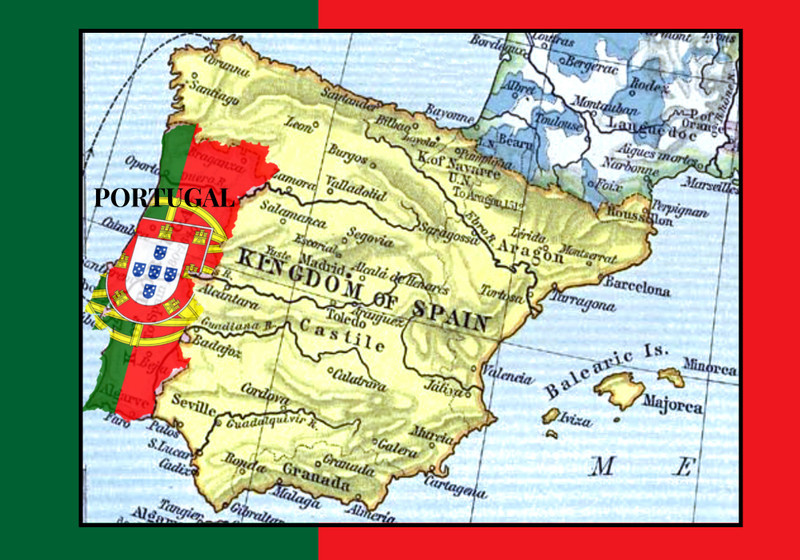
Portuguese wine is not just about Port nor, for a certain generation, the ubiquitous and colourful bottle of Mateus Rosé!
It offers so much more for the willing oenophile to experience. There are, of course, many expensive wines produced by boutique operations which are rarely seen in the UK, but, pound for pound, if you see them, they're worth splashing the cash over similarly priced European options. Search them out if you're on holiday in the country and want to drink something extra special. Don't be a "wine snob" and think it has to be Bordeaux or Burgundy for the ultimate glass. Portugal is up there with the best, but you'll have to look for it. Sounds like fun to me. Try the excellent Douro red Quinta da Leda from Casa Ferreirinha (£50) or their Barca Velha (a mere £500 a bottle!), or from the king of Bairrada, Luis Pato's, pure Baga Quinta do Ribeirinho Pé Franco (£200) from ancient, ungrafted vines. If you prefer whites, look for the superb Dao wines by Alvaro Castro, including his top Quinta da Pellada Primus Branco (£40) made from a blend of 19 different varietals (mainly Encruzado & Bical), or the incredibly rare (only 800 bottles made) Arinto based Azores Wine Company Vinha dos Utras (£250). I think I'll start with the elegant tangerine, herbs and salty Alvarinho from Anselmo Mendes, the A Torres Vinho Verde (£45). So many great wines to try, so little time. Only six exceptional, hard-to-find "wish list" Portuguese bottles and a cool £1000 spent. If only... I suppose that's why it's called a wish list?
There are many hidden vinous gems in Portugal, spreading north to south, from the cooler "green" Vinho Verde wines of the Minho bordering Spain's Albarino vineyards, along the steep gorges of the Douro/Duero disecting the country from east to west, to the classic northern reds of Dao and Bairrada (with increasingly drinkable whites hitting the export markets). Heading south, inland of Lisbon, to the ancient Roman olive groves, vineyards and cork forests of the Tejo (Tagus), to the rolling plains of the Alentejo where you'll find a huge selection of excellent value red wines, and finally arriving in the Mediterranean tourist hotspot of the Algarve at the southern tip of the country where the grapes (and visitors alike) receive over 3000 hours of sunshine each year. Perfect for vine growing and a region to watch.
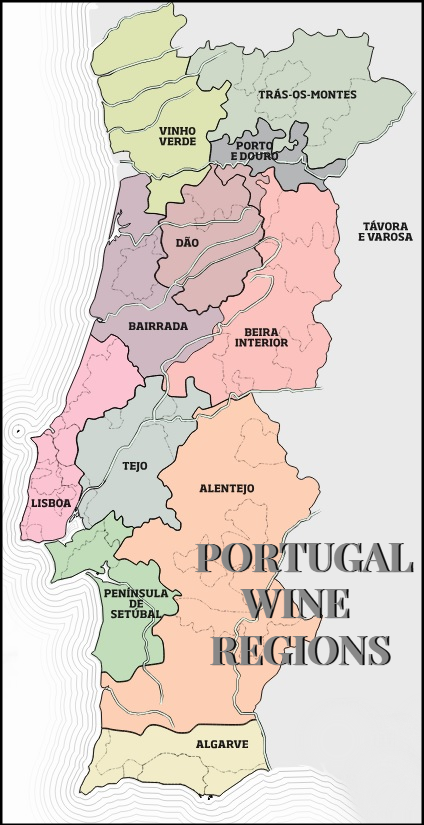 Unusally, with Portugal, there are also the Atlantic island locations of the Azores and Madeira, both of which have their own unique wine styles.
It's definitely a country where much of the wine is still consumed alongside typical local cuisine by the indigenous population in the regions where the wines themselves are made. The wines, still considered to be under-the-radar by many UK consumers, are enjoyed and appreciated by brave, adventurous drinkers who are happy to experiment with unknown grapes and regions.
Wines having an impact with the Brits include the light, coastal Vinho Verde dry whites, influenced heavily by the damp, Atlantic climate promoting high acidity and fresh flavours which pair beautifully with the local seafood, and the robust, dense, dark fruit reds of the hot, inland Douro Valley.
Did you know that there are over 250 native grape varieties grown in Portugal?
How many can you list? Perfect for a pedant's pub quiz where you're asked for obscure grapes in alphabetical order (of course).
Here's a list of important Portuguese whites:
Alvarinho, Arinto, Bical, Cerceal-Branco, Encruzado, Fernao Pires (Maria Gomez),
Gouveio, Loureiro, Malvasia Fina (Bual), Moscatel de Setúbal,
Rabigato, Roupeiro (Siria), Trajadura, Verdelho, Viosinho
...and the more widely planted reds:
Alfrocheiro, Aragonez (Tinta Roriz or Tempranillo), Baga,
Castelao, Jaen (Mencia), Tinta Barocca, Tinta Cao, Tinta Negra,
Touriga Franca, Touriga Nacional, Trincadeira (Tinta Amarela), Vinhao (Sousao)
An eclectic list of varieties to experience at your leisure and pleasure.
Unlike many "New World" wines, these native Portuguese grape names are not often seen on labels, with the more common French style of using a producer, vineyard and region name as the main descriptors on the bottle. These days, it's so much easier to find all the information you could possibly need by going online. Text books are so last century.
Just to keep you on your toes, Portugal seems to like renaming its wine regions and, even for me, I'd never come across the Távora-Varosa, tucked away below the Douro valley and north of the Dao, high in the mountains between 500-800 m.a.s.l altitude. Surprisingly, it was the first region to be officially demarcated for the production of sparkling wine in 1989. With Chardonnay and Pinot Noir vines established for around a century it's hard to believe that their wines are not well known on export markets and, with producers such as Murganheira making award-winning, traditional method, vintage sparkling wines at very sensible prices, it's another wine style to check out if you get the chance to sample some.
My only experience of drinking a Portuguese, Champagne-style wine occurred at port producer Dirk Niepoort, where it was served, well-chilled, alongside the traditional Bacalhau cod fritters (basically mini "Fish fingers"). A perfect aperitif, and a great pairing with the cod, before moving onto a full tasting of their excellent Douro reds, whites and famed Tawny port. I do remember going back again and again to top up my fizz glass as it was such a hot day. Okay, so I did eat most of the fritters!
Also, look out for the sparkling reds from the Bairrada region made using the high-acid red Baga grape. These, too, are made in the same way as Champagne and there are many dedicated producers of these wines. "Blanc de Noirs" (white wine from red grapes) are also made using a wide selection of red grapes including Touriga Nacional & Tinta Roriz (Tempranillo).
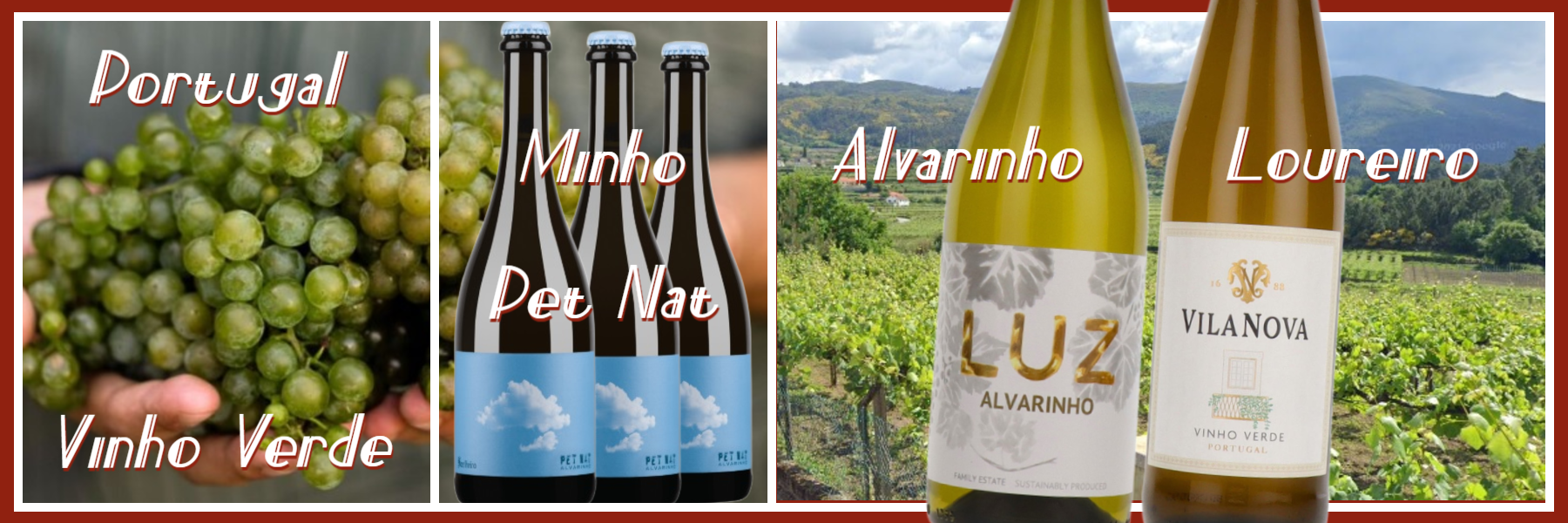
Portugal makes roughly 2/3 red wine to 1/3 white (excluding their Port production) and, if you're a casual drinker of the country's wines, you'll probably gravitate towards a few well known names. For whites, the number one choice would be the Vinho Verde wines from the north-western Minho region which lies due south of Galicia in Spain. Minho uses similar grape varieties to those of Galicia and many of the vineyards are planted on granite soil on the banks of the Minho river.
This denomination of light, fresh whites is the largest DOC within Portugal (24,000ha) and has 9 distinct sub-regions of which the most northerly is Monção e Melgaço, Situated inland from the exposed Atlantic coast, it makes wine of a more full-bodied nature than those located further south. These high-acid, mostly unoaked wines (from Alvarinho and Loureiro) with their classic spritzy character match well with the local cod, salmon, sea trout, smoked mackerel and other seafood dishes. The rosé version should be tasted with swordfish steaks and the bizarre red Vinho Verde (mostly from Vinhão grapes) is ideal with the oiliness of grilled sardines.
For my sins, I once had to taste a red Vinho Verde as part of a wine course and, to be honest, it tasted of old, cheesy socks soaked in battery acid... disgusting! There must be some good ones out there, but I've never made a point of looking further... but I did once drink a brilliant white version at a wind-swept, quayside Oporto restaurant with a spicy/curried fish dish. Delicious, and only around a tenner a bottle at least 20 years' ago.
Fully sparkling/espumante wines and even "pet nat" versions of Alvarinho have been made here over the past 25 years and, occasionally, from producers such as Quinta da Soalheiro, these refreshing bottles of fizz actually escape to the UK market.
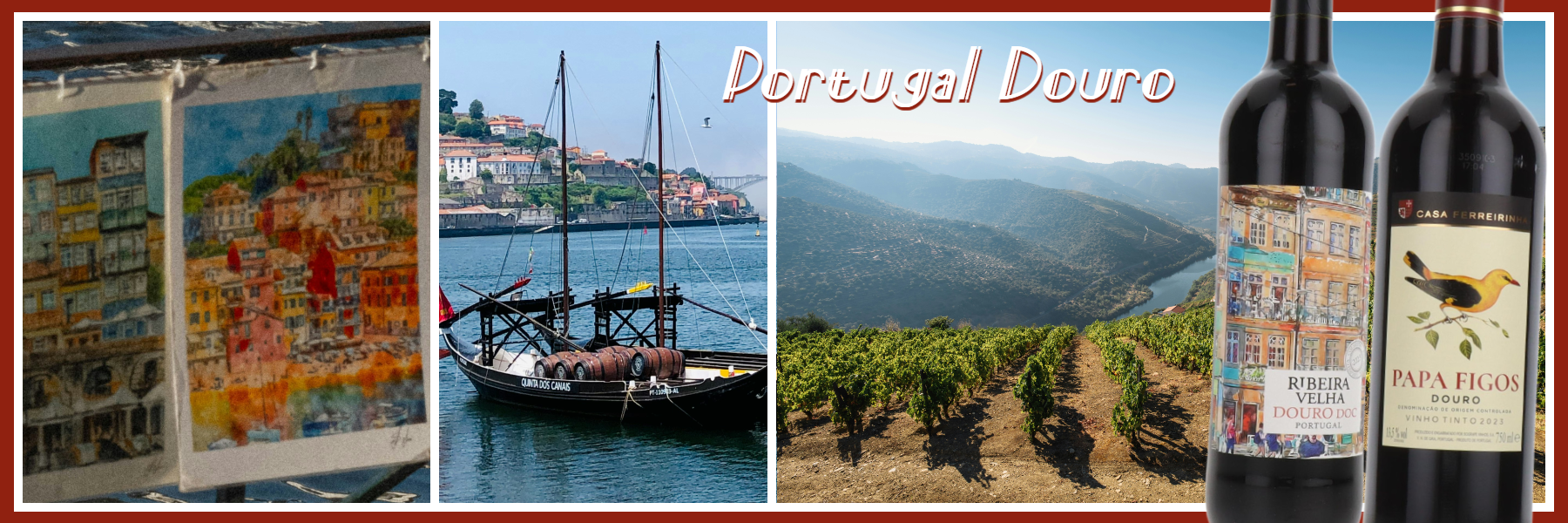
The Douro Valley is rightly known for what is probably the world's greatest fortified wine: Port
But, these days, there is a growing demand amongst wine drinkers for both red and white "table" wines from the region. Using the same grape blends, many growers and port houses are making wines which represent the fruit coming from these unique, granite & schistous soil terraces hugging the steep river banks. In an area where vineyards are totally unsuited to mechanical working, everything has to be done by hand, with the consequently high labour costs making many of the old sites in the upper part of the valley unviable.
The Douro is split into three sub-regions: Baixo Corgo (the wettest/coolest part at the western end of the valley), Cima Corgo (the central part where most of the best port vineyards are situated) and Douro Superior (the very hot & dry, higher eastern end of the valley approaching the Spanish border).
Having been driven all the way along the length of the valley, I can say it's a truly wild place with only the occasional evidence of human occupation. For many miles, at the upper end of the valley, all you see are grubbed-up, abandoned terraces stretching off into the distance. It's no wonder there are few vineyards here as there's simply no-one living in this barren landscape to do the work. Heading westwards, the river gradually broadens out from the inaccessable, narrow gorge of the upper parts of the valley, and vineyards become much more widely planted. An incredible sight to see, it's recognised by UNESCO as a "World Heritage Site".
As far as grape varieties used, Tinta Barroca, Tinta Roriz, Tinto Cão, Touriga Franca and Touriga Nacional, are common in Port, with additional red varieties Sousão and Tinta Amarela also being used in table wines. The white varieties Gouveio, Malvasia Fina, Moscatel, Rabigato and Viosinho are utilised for both fortified and unfortified Douro white wines.
Red Douro wines are excellent when paired with Posta Mirandesa (grilled beef steak), Cabrito Assado (roast goat), and Feijoada Transmontana (bean and meat stew). If you're drinking the unoaked whites, try with grilled sea bass, mussels, clams, and prawns. The reserva/oaked wines complement rich dishes like risotto, creamy pasta, pumpkin ravioli, and white meat dishes, particularly roasted chicken or pork.
As a tourist, why not take the leisurely "Douro Train" which follows the river from Oporto on the coast to Pocinho in the east, or the shorter trip from Regua to Pinhao, which lets you see many of the major port houses' vineyards and wineries? Bring a sandwich and some water. It's a long trip with no buffet car! Hopefully, they've upgraded the service since I used it many years' ago. You could even come prepared with some local Douro entry level "fizz" for around £5 a bottle. It's nothing special at this price, but who cares, it's wet!

Just below the Douro, in central northern Portugal, you'll find the land-locked Dao region. Surrounded by three mountain ranges, the relatively small vineyards are located sparsely among the considerable pine forests on granite/sand soil at altitudes up to 1000 m.a.s.l. Demarcated in the very early 20th century, Dao wines were produced by a number of co-operatives who, to be quite honest, weren't concerned with how their wines were perceived by their customer base. They made the wines and you had no choice over drinking anything else. Thankfully, in the 21st century, things have changed and there is now a burgeoning independent group of growers making their own wines which often utilise organic/natural practices with a marked increase in quality.
The Dao is very much known for its reds (80%), based mostly on the Touriga Nacional grape, with a limited white production now developing a fast growing interest from consumers in the Encruzado wines (both oaked & unoaked examples).
I've tasted numerous bland bottles of Dao in the dim and distant past which had no fruit and were simply dry and dusty in character. Fast forward to much more recent times and my most memorable Dao red was the "Outeiro" (A blend of 30% Touriga Nacional, 30% Alfrocheiro, 20% Tinta Roriz, 20% Jaen) made by Alvaro Castro (Quinta da Pellada). Unfortunately, this particular cuvée doesn't seem to be available in the U.K. any longer. A wine with marked floral notes on the nose, red fruits on the palate with a unique, almost Gewurztraminer-like floral spiciness, which really made it stand out from the crowd. Beautifully balanced, with a soft and silky texture... and it was cheap! You might be surprised to see me recommending a wine of such humble pricing but, if it works, it works. I don't like paying over the odds for wines that don't deliver the quality you expect. Value for money is so important and this bottle was only around £10, but tasted like £20. Try some Dao with a sausage and lentil stew. Job done!

Portugal stretches almost the whole length of the western, Atlantic edge of the Iberian peninsula and the Tejo (previously called Ribatejo) region lies inland from Lisbon's rolling coastal hills. An area of great heritage, with a vinous history dating back two thousand years to Roman times. Vineyards are planted on alluvial plains straddling the Tejo (Tagus) River which flows through the region, moderating the climate, and this area is probably more well known for its ancient olive groves and its cork oak forests which supply many of the world's bottles with their corks. The climate is Mediterranean which favours the planting of a wide range of native red grapes including Touriga Nacional, Castelão, Trincadeira, Alicante Bouschet and Aragonez (Tempranillo), along with the Fernão Pires & Arinto white varieties. Many of the French "international" grapes, notably those from Bordeaux & Burgundy, are also planted in Tejo's vineyards and these varieties are often found in blends with the local Portuguese examples highlighted above.
Some of the more "artisan" growers in Tejo have reverted to making their wines in Roman-style clay amphora (known here as Tahla), where spontaneous, wild yeast fermentation is used to produce "natural" wine. I must say that the "amber" wines made using white grapes, similar to those of Georgia, are a bit weird for my personal taste. The reds seem to work better... probably as the wine's colour obscures all the "gunk" floating around as they're bottled without any processing. Real and completely natural; wine as nature intended!
You might want to track down bottles by Casal das Aires, Hugo Mendes (Tejo rosé) or the Falua "Conde de Vimioso". These are priced in the £30-£50 range, so not your everyday wines. Most Tejo wines available in the U.K. are very reasonably priced around £10/bottle.
Heading south-east from Tejo, almost to the bottom of the country, you come to the vast, flat plains of the Alentejo region. Covering a third of the land mass of Portugal, this sparsely populated area has eight named DOC sub-regions here (too many to list!), including Evora (Cartuxa are good here) and Reguengos (look for the organic reserva wines from Esporao). Many wines are labelled simply as Vinho Regional Alentejano which covers everything, good or bad. It's a very hot (up to 40°C), dry area in which to grow vines and three quarters of the production is red. Large-scale cooperatives are still common, but there are now more, smaller grower/estates developing wines of individual character offering excellent value.
In the cooler, more mountainous north of the region, on granite soil, you'll find a handful of producers utilising old vine fruit to make award-winning reds such as the Portalegre vineyard field blend "A Centenária" by Susana Esteban. Her white "Foudre" blend is described by Grandes Escolhas as "Wine that is thrilling beyond perfection". Sounds good to me.
Due east of Lisbon, look for the superb Herdade do Mouchão "Mouchão Tonel No 3-4" which is a single varietal using Alicante Bouschet and currently sells for a bargain 295€ direct from the vineyard.
Alentejo wines pair best with the region's rustic, flavourful cuisine, featuring robust red wines with porco preto (fatty Iberian black pork), ensopado (lamb stew), chouriço and linguiça (local sausages) and Serpa (sheep's cheese), while crisp whites complement sopa de cação (dogfish soup), açorda (bread soup), and seafood.
White grapes in Alentejo include Antão Vaz, Arinto and Roupeiro, while reds are similar to those used in Tejo, but there are many, many more varieties planted here which only a true "grape nerd" will care about.
I wonder, is there a Latin name for a "grape nerd"? Google translate came up with uvae studiosus. So, now you know. Another one for the pub quiz.
