Ribera del Duero is a region which goes from one extreme to another. Nine months of winter... three months of hell. It's a Spanish wine region which is still growing and developing with new producers setting up their stands on the world marketplace for great Tempranillo, or Tinto Fino, as it's known locally. Winemaking in Ribera del Duero was established in Roman times, 2500 years' ago, but it was as recently as 1982 that it was officially demarcated. The D.O. is now home to over 300 wineries along with many grape growers.
There is a road (N122), leading west from the Rioja region, which transports you through central Spain to the city of Valladolid. Enduring many hours on a coach with fellow wine enthusiasts and members of the wine trade, I seem to remember it being a pretty barren location, with no sign of vineyards anywhere in sight... but that was before the region came alive!
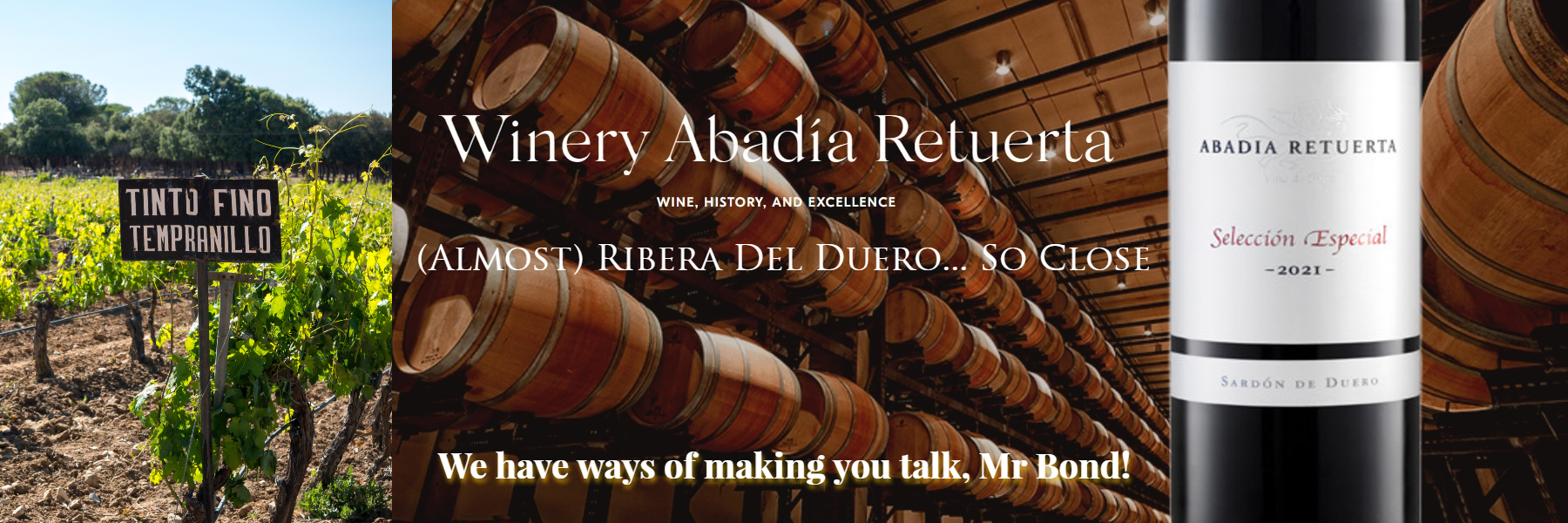
My first experience of wine from this area of Spain was from Abadia Retuerto. Strictly speaking, it's not a Ribera wine, as it lies just outside the western boundary of the D.O. in Sardon de Duero, but it's close enough! At the time, it wasn't expensive, but it was probably twice the price of your average branded Rioja, which was the only well-known Spanish red wine available in the UK at the time... and I'm talking about the late 1980s. Around £10 a bottle, back then, it was a really hard sell as no-one had ever heard of it, or tasted it against other Tempranillo wines. When you could buy decent enough Rioja for a fiver, why would you double your price for something completely unknown? My mid 90s visit to the winery involved a wide sampling of lip-smackingly tannic, very oaky, young reds which, to my taste, were just "missing something". Hopefully, now with older vines and better barrel usage, the wines might justify their current high prices.
Nowadays, the old monastery buildings have been converted into a flashy hotel and wellness centre, alongside its established winemaking facilities and vineyards. With bottles being sold once again in the UK, retailing at £50 to £100+ each, they are marketed at connoisseurs with deep pockets and Platinum credit cards.
Now I might be mixing up my locations, but I seem to remember being told that the 12th century abbey cloisters once appeared in a scene in a James Bond film. A bizarre fact which I can't find any reference to online today. Did it ever happen, or was the extended travelling and tasting already taking its toll?
On the same trip to the region I'm fairly certain that other visits included the sprawling vineyards of Vina Mayor (I've absolutely no recollection of the wines made there) and to Bodegas Santa Eulalia (now Bodegas Frutos Villar), which was founded in 1950, where I had the excellent value Riberal Roble for around £3 a bottle direct from the winery in La Horra (more recent bottles are closer to £20). I think they previously used to sell it in Sainsbury's as someone spotted some old labels inside the winery. There was also a white (Sauvignon Blanc, I think) for only £2 each. In the hot, April afternoon sunshine this white was so refreshing I just had to buy some (and some of their reds) to bring back home. The case of red Riberal survived the journey back and I was surprised how well they kept, but the whites... on a cold and wet Autumn evening in the UK, they were some of the worst wines I've ever bought. I even threw out the last couple of bottles. Horrible stuff. I have learnt my lesson at wineries. Resist, resist and only be tempted if you really need ONE bottle as a memorable keepsake!
The oddity of the day was finding an articulated truck inside the winery building. It turned out to be a mobile bottling line. The only one I've ever seen. Lucklly, it wasn't in use that day, as winery staff just love to tell you how it works, how fast it can handle their wines, and the number of bottles filled per hour. If it's a good one, it can handle several thousand at a time, and they can't wait to tell you all about it.
My first visit to Ribera del Duero also included brief excursions into both Toro (for more Tempranillo, a.k.a. Tinta de Toro) and the white wine hotspot of Rueda (for Verdejo). Before coming to these other D.O's the N122 took us past the impressive Penafiel castle, perched high on a hill top, commanding the surrounding countryside. Strangely, it only faces two points of the compass, rather than all four, so the defenders must have known which direction any invaders would come as they could easily approach from the undefended sides. Weird, to say the least, but otherwise an outstanding structure dominating the village tucked below its ramparts. Today, the underground cellar of co-operative Bodegas Protos is at the foot of the imposing castle hill and Pago de Carraovejas, whose superb wines contain small proportions of Cabernet Sauvinon & Merlot alongside the Tinto Fino, is located nearby.
Some years' later, I had the opportunity to come to the Ribera for a second time. What a difference! New wineries and vineyards had appeared alongside the main transport route with hotels and restaurants to support the burgeoning tourist trade.
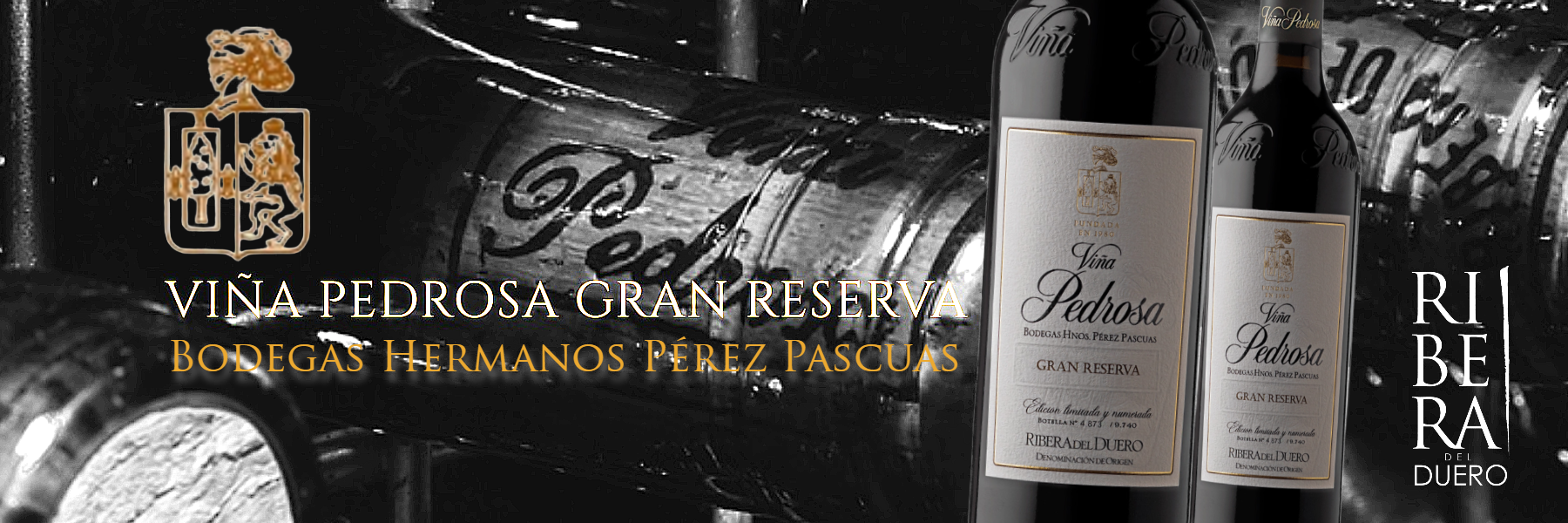
More names were becoming well known on export markets with the likes of Pesquera, Condada de Haza and Pingus, amongst many, achieving both critical acclaim and higher prices. Today, some of these wines sell at similar prices to Classed Growth Bordeaux. Success, indeed, as customers keep coming back for more. On this occasion I was still finding many wines which were over-oaked, alcoholic, and over-priced, but every now and again there was a stunner on the tasting table. My favourite was the wonderfully named Bodegas Hermanos Perez Pascuas "Vina Pedrosa" Gran Reserva, 2004 (in magnum). Described as having: "Big, bold dark berries with a wealth of ripe plums and chocolate, as well as tar and graphite notes. The palate has handy depth, the deep and fleshy ripe plums and black cherries holding long". It showed so well at the tasting, when compared to all their other wines, that I had to ask if I could buy a bottle. Unfortunately, only large formats were left, so a magnum it had to be. For some reason, they had to open the gift shop especially for me, but it did let in the rest of the tour to snap up their favourites, so a good all-round visit. This bodega wasn't on the "golden mile", but located some way north of the Duero river itself, just outside the village of Roa, and was very hard to find on the day. It was definitely worth the effort and I still have the empty wooden gift box in my kitchen.
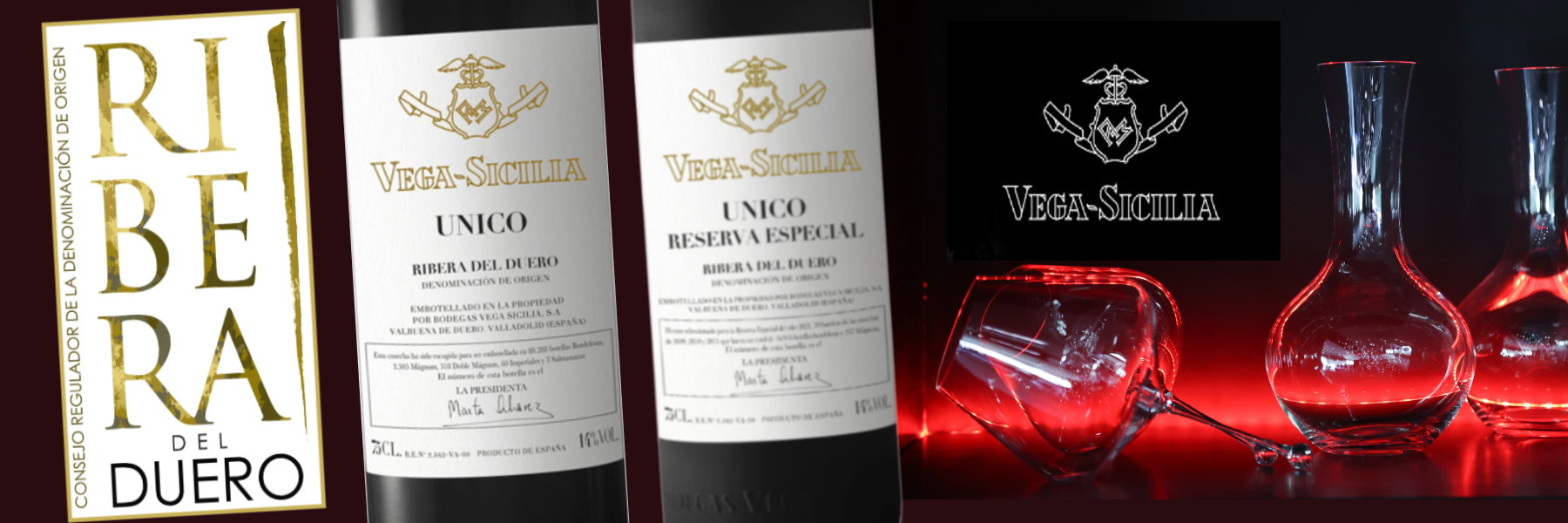
My third trip to Ribera del Duero was somewhat different as it was organised by a wine holiday company which took a small group of enthusiasts all the way along the Duero/Douro river, finally reaching Oporto in Portugal, visiting producers along the way for specialist winemaker tastings and fine dining at local restaurants. The highlight here was the opportunity to experience the wines of the exclusive Vega Sicilia and to see around their entire winery production facilities including the unique cooperage where they make their own barrels from American oak. Widely considered to be the best red wine in Spain, the top-of-the-range Unico is a blend of mostly Tinto Fino and some Cabernet Sauvignon with around a decade of ageing before release. The estate was founded in 1864, over a century before the D.O. of Ribera del Duero itself was officially demarcated. Considered an outlier, Vega Sicila's reputation was built on making a consistently high quality set of wines which were capable of ageing and developing in bottle over many decades. Current owners, the Alvarez family, took over the property in 1982, at the same time as the region became a D.O., and have now started making other wines around Spain. The tasting here was done in the fabulously ornate setting of the original family mansion house. When you consider the value of the wines the bodega has in storage, it's obvious that this property spares no expense on anything. The bottle store, under permanent monitoring by baton-wielding guards, contained hundreds of cages of unlabelled wine bottles, stacked in multiple layers from floor to ceiling, in a fully air-conditioned atmosphere enabling perfect conditions for maturation. Each cage contained upwards of a thousand bottles... each bottle valued at between £100 and £500 each, so around £500,000 per cage. Multi-million pounds' worth of some of the worlds best wine just sitting there, quietly waiting for someone to buy it in the future. Then came the shocker as a large steel door was slid open to reveal another room equally as full of wine cages. And then there was the barrel room and the vat room with even more wine... Amazing!
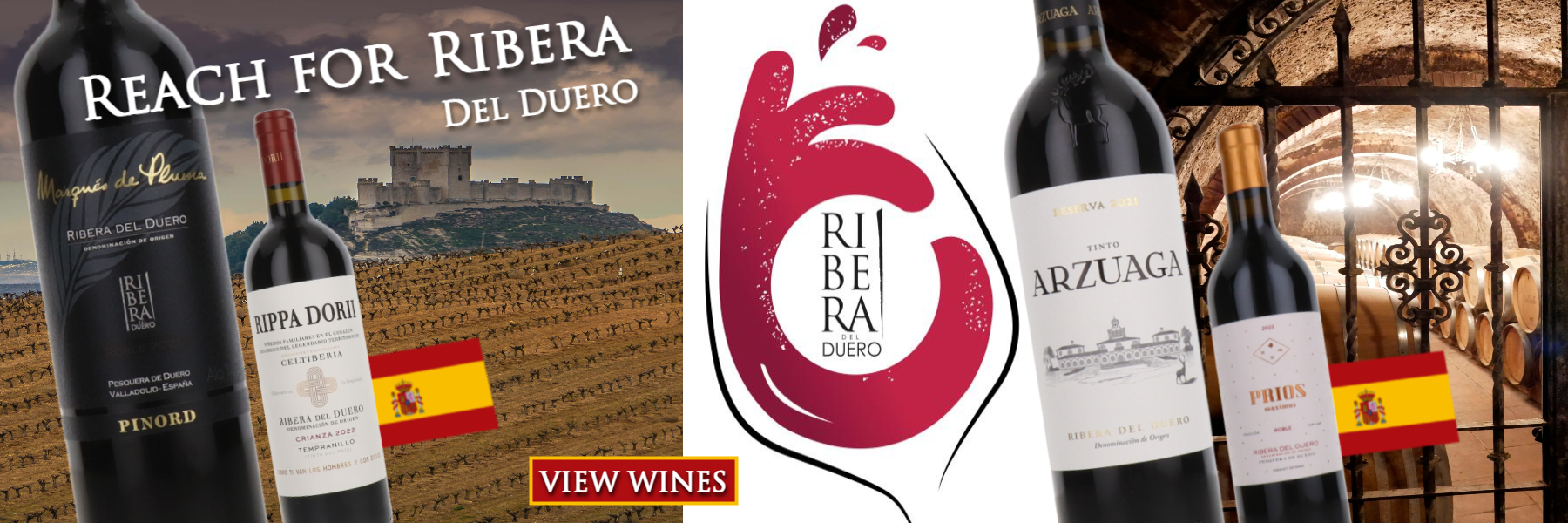
Bringing it all up to date, Frazier Jones has long been championing the wines from Bodegas Arzuaga-Navarro with their Crianza and the organic Laderas del Norte being particular favourites with our customers. The company also make an organic rosé called "Rosae" and whites from the Albillo and Chardonnay grape varieties. A huge 1400ha estate, set up by businessman Florentino Arzuaga in the early 1990s, Arzuaga is the immediate neighbour to Vega Sicilia on the "golden mile", and produces wines at much more affordable prices.
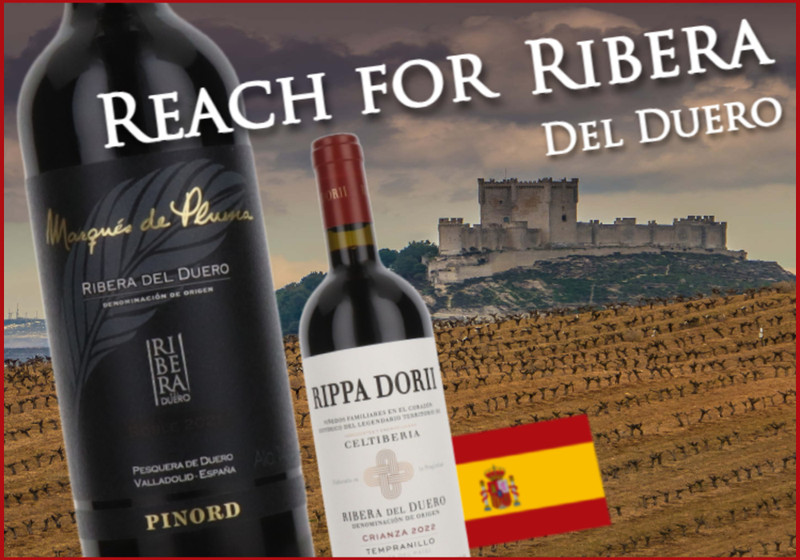
The latest additions to our Ribera del Duero selection include Rioja producer Ontañón's Rippa Dorii and our recently imported exclusive wines from Pinord's Marques de Pluma. Made at their Vaquos winery in Pesquera, situated on the banks of the Duero river around five miles north of the magnificent Penafiel castle, these are bottles we can recommend highly.
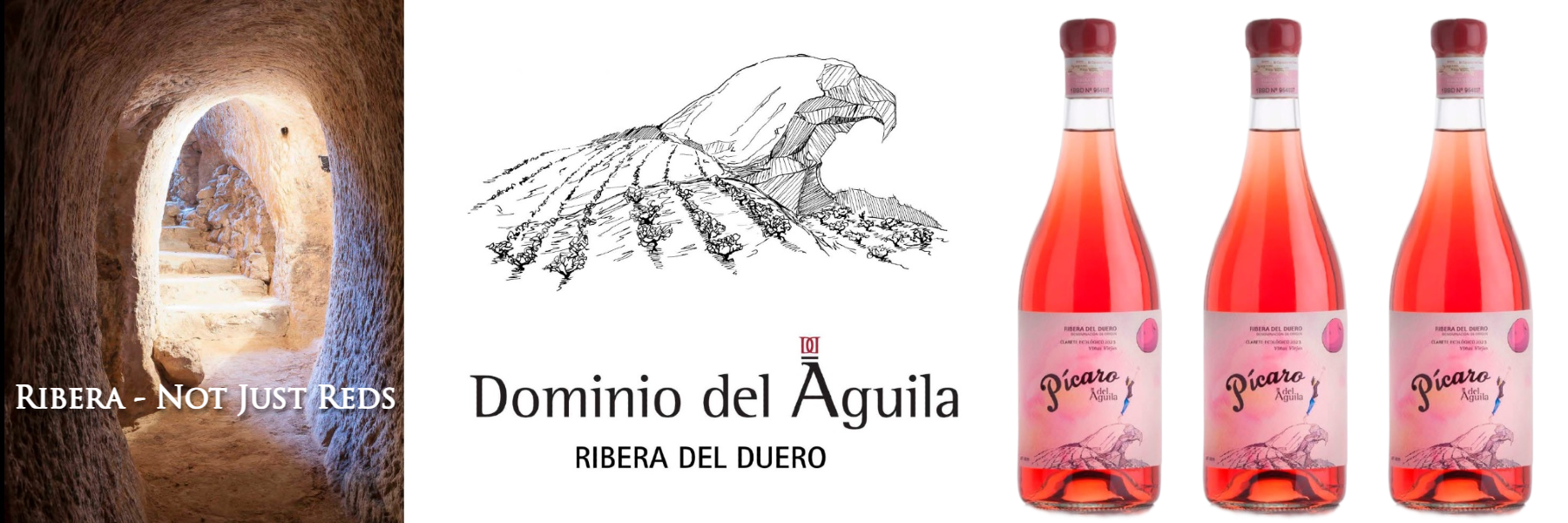
Personally, my recent favourites from the region all seem to have come from a small area surrounding the village of La Horra, including Bodegas Aster's Reserva (a supremely lush-textured, deep-fruited, modern style red made by Grupo La Rioja Alta SA [Famed for their Vina Ardanza, 904 & 890 wines]), Bodegas Arrocal's Paraje de los Colmenares (a 95/100 rated wine with an incredible mineral quality to it), and Bodegas La Horra's Corimbo wines (produced by the Roda Rioja house). Also, a few miles east of La Horra, Dominio del Aguila's 'Picaro del Aguila' Clarete Vinas Viejas £50 a bottle rosé is simply a beautiful wine, but not for everyday!